Building the Power to Be Well: A New Framework for Our Philanthropy
The California Wellness Foundation was born from community advocacy.
In 1992, when Health Net converted from a nonprofit into a commercial insurance company, California law required that its assets — built in service of the public — be preserved for charitable purposes. But that outcome wasn’t guaranteed.
Activists fought to ensure those assets were fairly valued and placed into the endowment of a new philanthropic organization. From that advocacy, Cal Wellness launched as the largest health conversion foundation in the state.
That story is not just history. It's our identity.
The $1 billion we hold today is the people's money. Returning it, as investments in what makes wellness possible, is the work. And that work is rooted in advocacy, a willingness to take on tough issues, and a belief that wellness requires justice and community voice.
In 2027, we are committing ourselves to Building the Power to Be Well, a new strategic framework that builds on this bold legacy.
Race, Money And Power
We know the most powerful factors shaping health today are not clinical. They are structural:
Race, money, and power decide who gets to live healthy and well. It's what research shows, and it’s what we’ve learned from our partners working in communities every day.
In California, your race and your income remain among the strongest predictors of how long you will live and how healthy those years will be. Black Californians have the shortest life expectancy in the state. Latino Californians report poor health at much higher rates. The gap in life expectancy between the lowest- and highest-income Californians spans years, unchanged despite overall improvements in health.
These gaps are not accidental. Communities experiencing the worst health outcomes are often the same communities with the least say in the decisions that shape their lives. Closing these gaps requires shifting who has a voice and who has the power to set public policy.
Building power isn’t separate from improving health. It’s a core strategy for achieving it.
By centering race, money, and power in our framework, we are naming the forces that determine who gets to be healthy in California — and committing to address them directly.
Focusing On The Future
The Building the Power to Be Well framework also focuses our work in three areas where race, money and power play a significant role in determining health and wellness and where we see opportunities to shape the future.
Healthcare. What would it look like if California built a health care system that treated community health as a public good rather than a private market? What if prevention was the priority, treatment and care honored cultural beliefs and practices, and the system was held accountable for closing — not just measuring — racial and economic gaps in outcomes?
Environment. What if the communities most harmed by pollution, climate disasters, and environmental neglect had greater voice in shaping California's future? What if investment in land, housing, and basic systems and services were guided by the people who live closest to the harm?
Democracy. What would California look like if the promise of American democracy — that every person has a voice in decisions that affect their lives — were actually kept for every Californian, regardless of income, zip code, or immigration status? What if we invested in that promise the way we invest in hospitals and schools?
We believe the answers to these questions will come from people in communities across the state, and we are committed to engaging partners in government, business and philanthropy to support building on those ideas and solutions.
What Comes Next
Though our framework and focus are evolving, our mission remains the same: to protect and improve the health and wellness of the people of California. We remain committed to funding direct services for low-income Californians, people of color, immigrants, youth, and rural communities. And we will continue providing multi-year funding and general operating support. It’s what our grant partners need to adapt and thrive.
With Building the Power to Be Well, we're also challenging ourselves to push our philanthropy further.
We will use not only our grantmaking but also our endowment investments, our voice and our influence to advance our mission. We will share power with our grant partners in directing our resources. And we will continue to respond to emerging challenges and opportunities shaping people’s lives across California.
Over the next several months, we look forward to sharing insights on the process that led us to Building the Power to Be Well, along with details of the strategies that will drive our work in 2027 and beyond.
On A Personal Note
Building the Power to Be Well sets our direction for the future, and it’s immediately relevant to the world now.
In places across California, I’ve heard directly from people and partners navigating hard realities. I’ve heard from college students forced to make impossible choices as health care costs put basic care out of reach. I’ve talked to neighbors organizing to stop projects and industry practices that threaten their health and safety. I’ve listened to parents and children too afraid to go to work or to school for fear of being separated by immigration enforcement.
But I’ve also seen something else: people coming together, standing up for one another, and refusing to accept that this is the best we can do. Across the state, people are creating solutions rooted in care and dignity. That gives me reason for hope, not because the challenges are small but because the commitment to meet them is so strong.
People taking action together for what we need to be healthy. That’s the spirit of Building the Power to Be Well. That’s what motivates me and my colleagues at Cal Wellness every day.
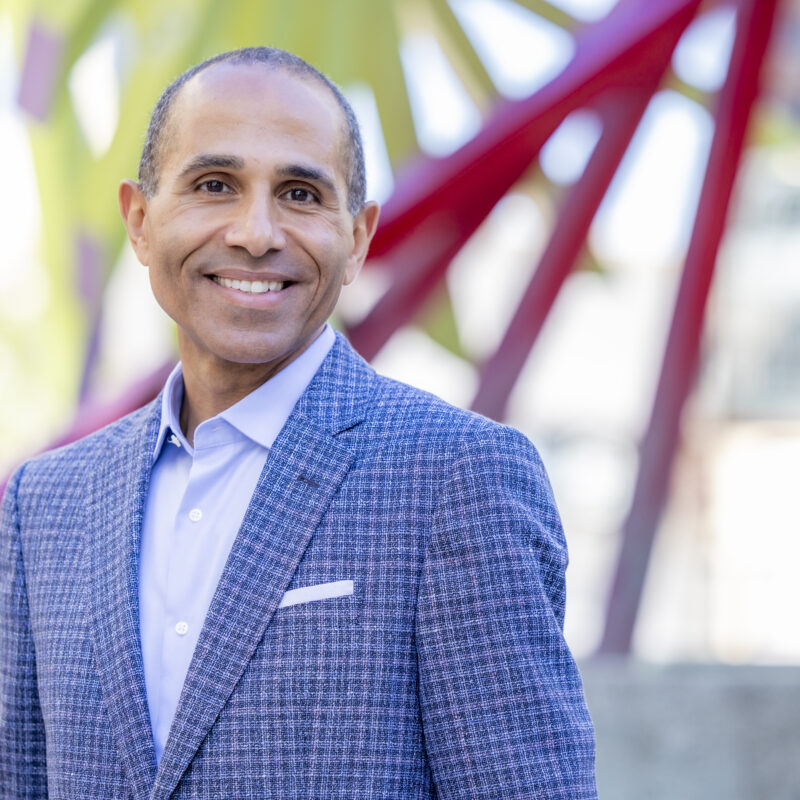
President and CEO
Richard Tate
Richard Tate is President and CEO of The California Wellness Foundation, one of California’s largest philanthropic public health institutions. Tate leads the foundation in pursuing its mission to protect and improve the health and wellness of the people of California, with a core belief that access to quality health care is a human right.