Skip to Content

Inclusive Health Care: Rooted in Culture and Community

OVERVIEW


Too many people struggle with a health care system that doesn’t reflect their needs, experiences, or culture—and can harm the very people it should serve.

Communities of color have long faced greater obstacles to getting quality care that meets their needs, contributing to persistent racial gaps in health and well-being. Cuts and threats to the health care safety net risk making those gaps even worse.
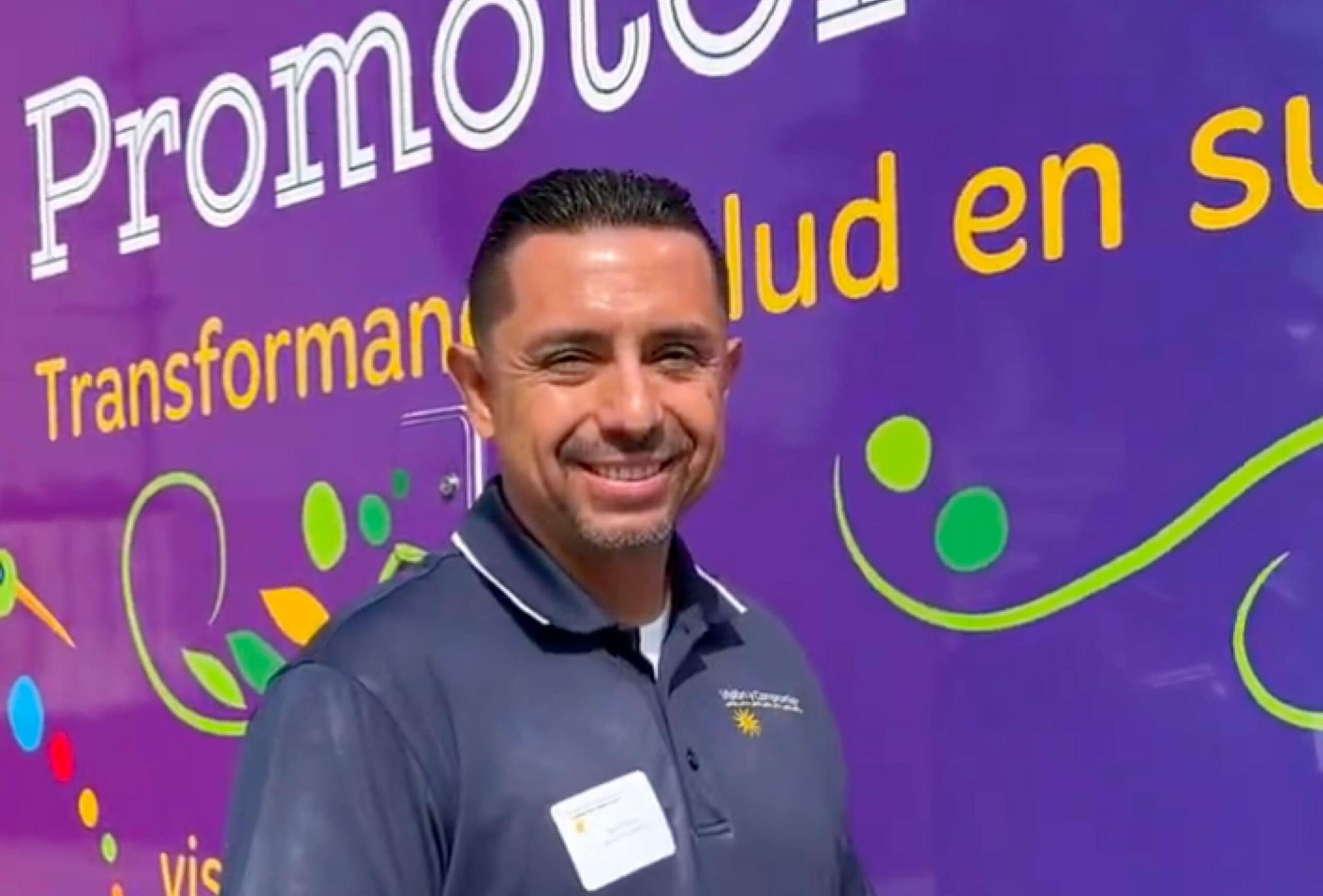
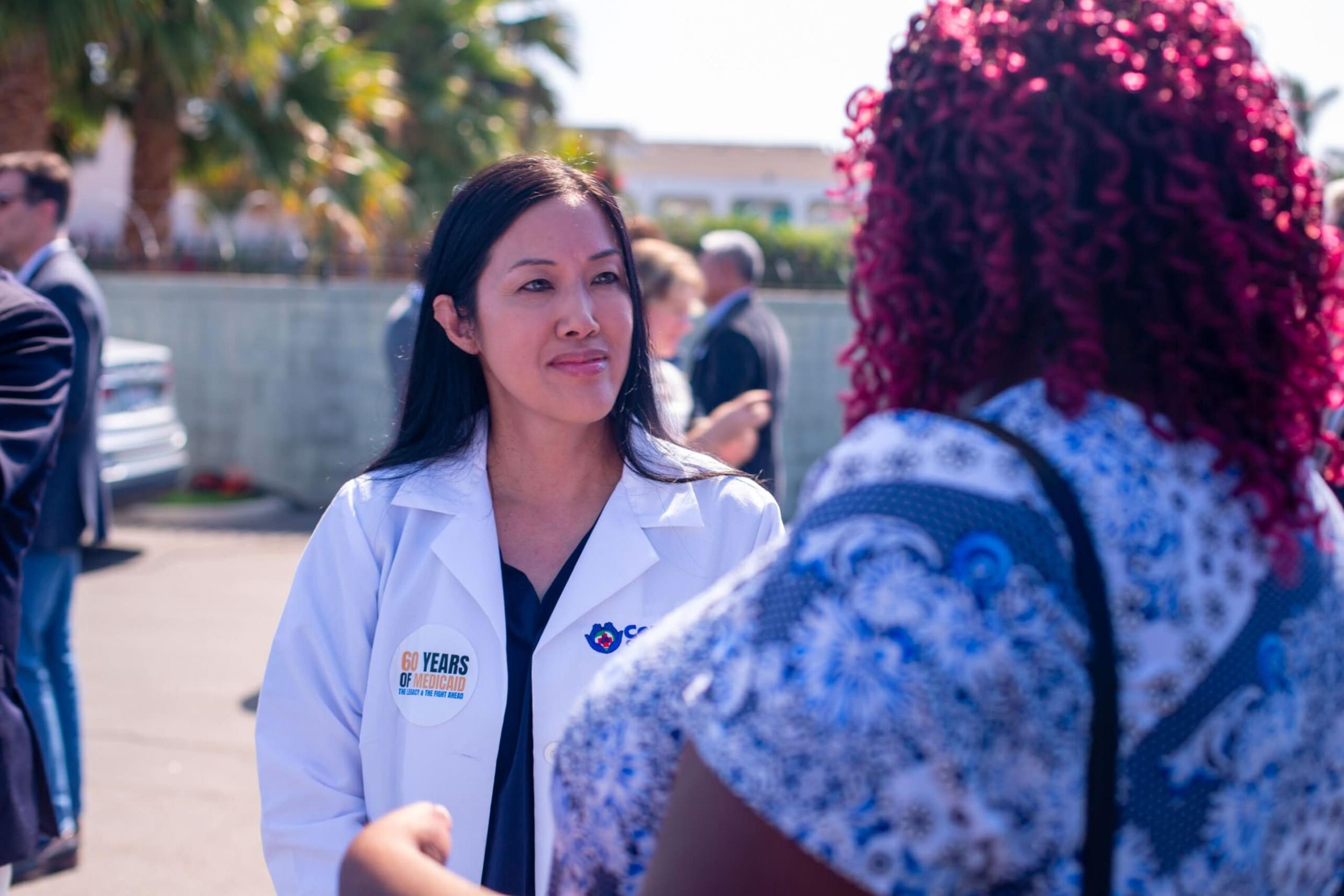
For generations, women of color have stepped in—as doulas, community health workers, healers, caregivers, and organizers—providing trusted care rooted in community, culture, and lived experience. They are at the heart of care in their communities and are creating new models that show us how health care can work differently.

OUR GOAL


Shift power in health care by investing primarily in women of color as change agents so people the system has failed to serve can define, access, and receive care on their own terms.
OUR APPROACH


IH Building Community Power 4 1

Investing in Change Agents

  • Invest in organizations and initiatives that provide trusted, community-rooted care, particularly those led by women of color.
  • Expand access to funding and resources so their work can grow and last.
  • Strengthen the community-based care workforce by honoring the dignity of workers while expanding economic security and opportunity.
IH Building Leadership 2 1

Community Rooted Care

  • Invest in care grounded in community knowledge, culture, and healing traditions.
  • Expand trusted care designed with and for immigrants, people with disabilities, transgender and gender-nonconforming people, and others who have been excluded from health care.
  • Bring care beyond traditional clinical settings and closer to the communities it serves.
IH Building Narrative Power 1

Reshaping Health Care Systems

  • Bring more community-led care into the broader health care system.
  • Support public policy and budget advocacy to integrate and expand these approaches.
  • Build support for sustainable public funding for community-led care, including through Medi-Cal.

Why This Matters for Health

People are more likely to get the care they need when it respects their culture, reflects their experiences, and earns their trust. Yet many communities still encounter care that overlooks their needs, experiences, and culture.

Women of color make up a significant share of California’s care workforce, bringing knowledge and experience that too often go unrecognized. Yet those closest to caring for their communities often have the least power and resources to determine how care is provided. Investing in their leadership can change that.

Image3 1

Research

  • California Budget & Policy Center: Why Community Health Workers and Promotoras Are Trusted but Undervalued
  • PPIC: Who Makes Up California’s Care Workforce
  • JAMA: How Community Health Workers Improve Preventive Care
PARTNER SPOTLIGHT


  • Women Behind VIDA Mobile Clinic Bring Health Care Where It’s Needed Most
    Two women bring free, community-based care to uninsured and underserved patients. Watch the Spectrum News video
  • Promotoras Are Essential Workers Bridging Community Health Gaps in California
    Visión y Compromiso on the women connecting communities to culturally relevant care. Read the Visión y Compromiso story
  • What My Father’s Story Teaches Us About the Power to Be Well
    Gail Yen on why trust, culture, and being heard matter in health care. Read Gail’s story
  • A Road Map for the Future of Medi-Cal
    CPEHN and partners call for a Medi-Cal shaped by and accountable to the people it serves. View the report


MORE ABOUT THE POWER TO BE WELL


Overview

Building the Power to Be Well invests in expanding the power of communities of color, with a focus on three areas: Inclusive Health Care, Healthier Economies, and Thriving Democracy.

Thriving Democracy

Building community and narrative power, especially among people of color, to shape a healthier future.

Healthier Economies

Investing in approaches that bring economic opportunity, environmental health and community power together.

Back to top