OVERVIEW

In 2014, Cal Wellness launched Advancing Wellness, a strategy to help improve health and wellbeing across California that was anchored in research on the social determinants of health and the belief that community voice is essential to wellness.
Over the next decade, under the leadership of former President and CEO Judy Belk, the board and staff, Cal Wellness worked alongside community partners to expand access to care, prevent violence, support women’s health, strengthen economic opportunity, and respond when communities faced new threats and crises. Cal Wellness evolved, too—becoming bolder in how we used our resources, relationships, and voice to advance health and equity.
The work changed over time because California changed—and because we kept listening and learning.
Over the decade, one understanding grew even stronger: health extends far beyond healthcare. It is shaped by whether people are safe, have opportunities, live in healthy communities, have a voice, and have the power to shape their future.
This is the story of a decade of progress and learning—and how the lessons we carry forward are shaping what comes next.
WHAT WE ACCOMPLISHED
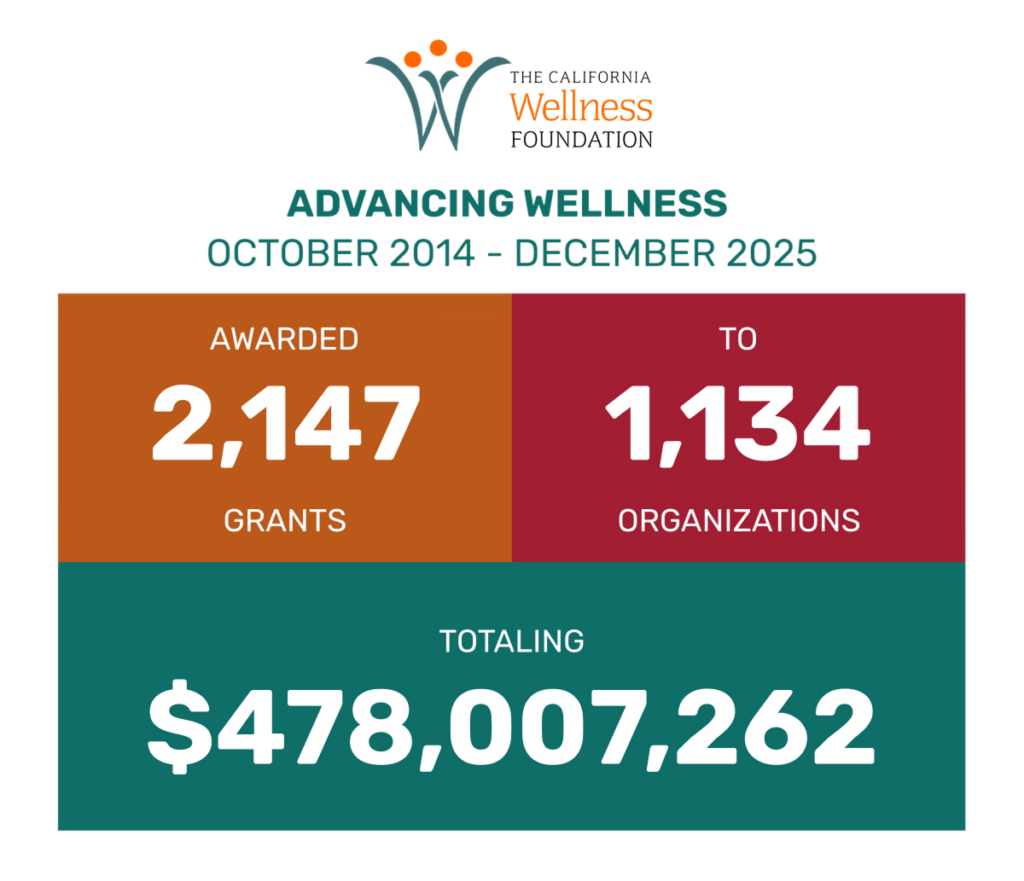
A Decade of Progress
WHAT WE LEARNED
What We Learned
These milestones only tell part of the story. Advancing Wellness also changed us. Through years of partnership, listening, experimentation, and response to a changing California our understanding of health—our role as a foundation—continued to evolve.
Four lessons from that journey continue to shape who we are today.
LESSON ONE
Health depends on much more than access to a doctor
When Advancing Wellness launched, Cal Wellness was already building on a long-held belief: improving health requires looking beyond traditional health care. For decades, Cal Wellness had invested in preventing violence, expanding opportunity, strengthening nonprofits, and advancing policies that shape the health of California’s communities.
Advancing Wellness deepened that commitment. Access to quality health care remained a priority. As the Affordable Care Act expanded coverage, our partners continued to demonstrate that health is also shaped by whether people are safe, housed, economically secure, connected to community, and able to breathe clean air.
Over the next decade, listening, learning, and partnering with communities strengthened our understanding of how these conditions intersect and what it truly takes to create wellness. Below are a few examples of how that lesson emerged across our work.
Safe Communities Are Healthy Communities
 Since its inception, Cal Wellness recognized gun violence as a preventable public health issue—not simply a criminal justice challenge. Through investments in community violence intervention, hospital-based services, research, policy advocacy, and healing-centered approaches, we know that preventing violence means investing in opportunity, trusted relationships, trauma recovery, and neighborhood leadership. This work reinforced that public safety is created long before a crisis occurs and that healthier communities are built by addressing the conditions that make violence more likely in the first place.
Health Care Works Best When It Reflects People's Lives
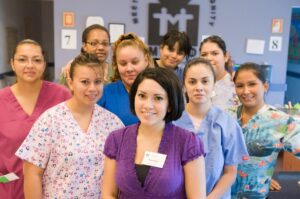
Through the Women's Initiatives, Cal Wellness partnered with Black and Latina women to rethink how care is delivered to communities that have too often been overlooked. Rather than focusing only on clinical services, these efforts addressed stigma, trusted messengers, community leadership, and the social realities that shape health outcomes. Whether expanding HIV prevention and treatment or supporting formerly incarcerated women as they rebuilt their lives, the work demonstrated that lasting health requires culturally responsive care designed with—not for—the communities it serves.
Healthy Environments Create Healthy People
 Communities repeatedly showed that health is inseparable from the environments where people live, work, and play. From advancing clean air and environmental justice to strengthening neighborhood health through resident-led planning and improving access to healthy food in South Los Angeles, Cal Wellness supported efforts that recognized environmental conditions as fundamental drivers of well-being. These partnerships reinforced that improving health means creating communities where every person has the opportunity to thrive.
Across these efforts, one lesson became increasingly clear: health is shaped by far more than medical care. It is influenced by the conditions in which people live, work, learn, and belong.
LESSON TWO
Communities Know What They Need
One of the most important lessons of Advancing Wellness wasn't tied to a single-issue area—it was about how lasting change happens.
Community rooted organizations time and time again demonstrated that the people closest to challenges were also closest to the solutions. They identified emerging needs, developed innovative approaches, and helped expand the foundation's understanding of what communities needed to thrive.
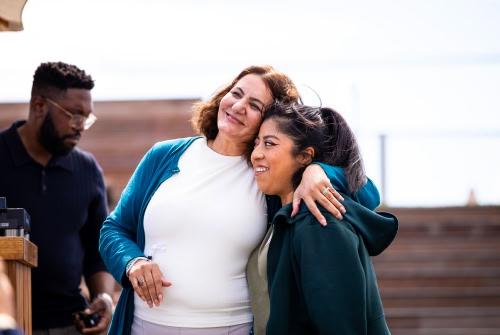
 As a result, Cal Wellness increasingly shifted from directing initiatives toward investing in community leadership. The foundation expanded general operating support, strengthened long-term partnerships, increased opportunities for community engagement, and embraced a more collaborative approach to grantmaking—recognizing that trust and flexibility often create the conditions for the greatest impact.
This evolution also changed how the foundation approached strategy itself. Rather than assuming it had all the answers, Cal Wellness increasingly saw its role as listening, learning, and evolving alongside the communities it exists to serve. The examples below highlight a few of the ways this lesson reshaped both our grantmaking and our relationships with community partners.
Community-Driven Grantmaking
As Advancing Wellness evolved, Cal Wellness placed greater emphasis on listening to communities before determining where and how to invest. Program staff deepened relationships with grantees, expanded outreach across California, and increasingly looked to community leaders to identify emerging needs, promising approaches, and opportunities for systems change.
Organizational Learning
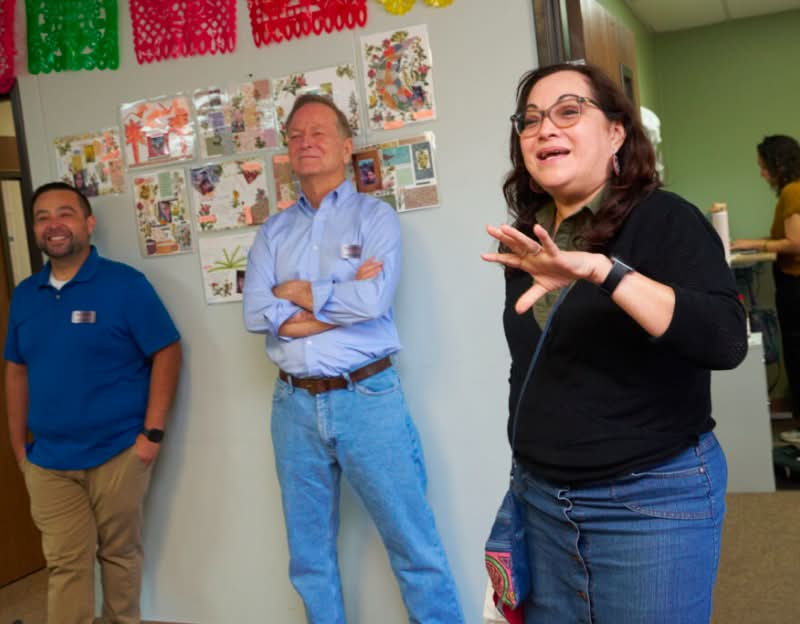
Advancing Wellness was never static. A Mid-point assessment, ongoing conversations with grantees, and changing community needs continually informed refinements to the strategy—from streamlining portfolios and expanding unrestricted funding to exploring new approaches like mission-aligned investing and policy advocacy. Rather than viewing adaptation as a departure from the strategy, Cal Wellness came to see it as evidence that listening was working.
General Operating Support
Throughout our history communities repeatedly shared that flexible funding allowed organizations to respond to changing circumstances, strengthen their teams, and pursue long-term goals beyond the limits of individual grants. By continuing our commitment to unrestricted support, Cal Wellness recognized that sustainable change depends on resilient organizations with the flexibility to adapt as community needs evolve.
Across these efforts, one lesson became clear: the people closest to challenges are also closest to the solutions. Listening to communities didn't simply improve our grantmaking—it transformed how we understand partnership, strategy, and lasting change.
LESSON THREE
Equity and Justice Requires More Than Grants
As Advancing Wellness evolved, it reaffirmed a lesson long embedded in Cal Wellness’ approach: grants are essential, but lasting systems change requires more than grantmaking alone.
The challenges facing California communities—from gun violence and racial inequities to barriers in health care and economic opportunity—are complex and interconnected. Addressing them requires more than grant dollars. The examples below illustrate how Cal Wellness continued to build on this approach throughout Advancing Wellness and how we began using new tools and resources to move our mission.
The examples below illustrate how Cal Wellness continued to build on this approach throughout Advancing Wellness and how we began using new tools and resources to move our mission.
Using All Our Resources to Advance Our Mission
Cal Wellness began looking beyond grantmaking to consider how its investment capital could advance its mission. Recognizing the connection between wealth and health, in 2018 the foundation launched a mission-aligned investing pilot and made its first program-related investments, beginning to pair purpose and financial performance while expanding access to capital in communities that have historically been overlooked. This work laid the foundation for a broader evolution in how Cal Wellness uses its endowment in service of its mission and a growing commitment to ensuring communities had the resources, voice, and power to shape their own futures.
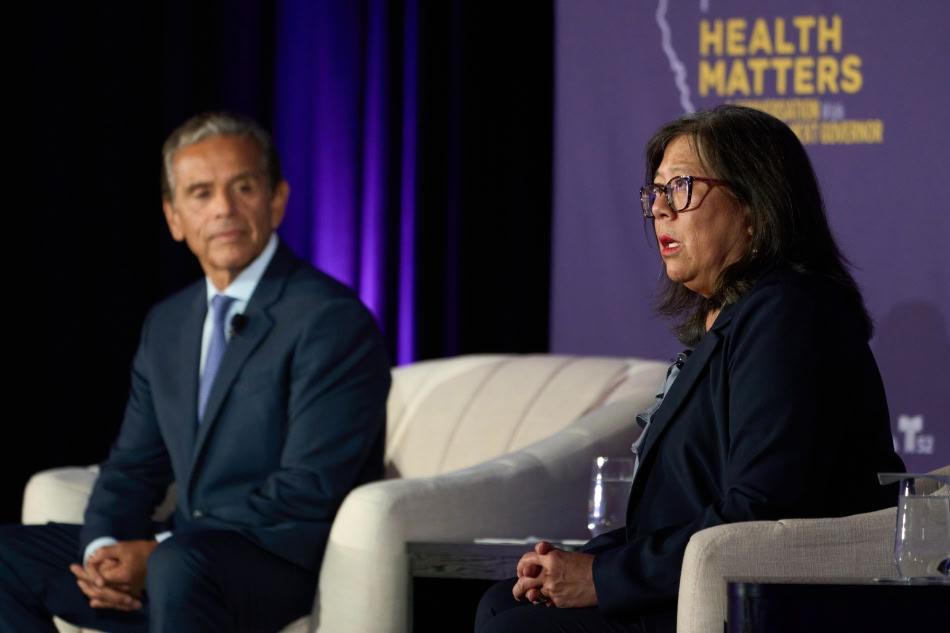
As the challenges facing communities became more complex, we expanded how we use our resources to advance health and wellness. Cal Wellness strengthened its public affairs work, increasingly using its voice to elevate community priorities, inform public conversations, support policy change, and convene leaders around shared goals. In partnership with 10 other philanthropic partners, we organized the Health Matters Forum, a non-partisan convening of California’s Gubernatorial candidates focused on the health and wellbeing of all Californians. This evolution of our public affairs work also included exploring new approaches to advocacy, including a pilot to support 501(c)(4) grantmaking, recognizing that policy change is an important pathway for addressing the root causes of inequity.
The Power of Convening and Partnerships

We learned that our role could extend beyond funding individual organizations. Convening community leaders, advocates, researchers, funders, and other partners created space to exchange ideas, strengthen relationships, and build shared approaches to complex challenges.
The Healing In/Justice convening and retreat brought together 200 violence prevention leaders from across California to learn, strategize, build relationships, and center healing. Participants challenged funders to invest in healing alongside prevention and movements to break down silos—showing how convening can strengthen collective action. Similarly, our immigrant rights advocates' retreats created space for movement leaders to rest, reflect, strengthen relationships, and build the trust and solidarity needed to sustain their work.
Partnerships like the Hope & Heal Fund similarly demonstrated what becomes possible when organizations align their expertise, relationships, and resources around a shared goal. Together, these experiences reinforced the power of philanthropy to contribute not only through funding, but through the connections and collective action it helps make possible.
Changing Stories Can Change Systems
 Experience showed that lasting change requires more than new policies—it also requires new ways of understanding the issues communities face. Through public storytelling, research, strategic communications, polling, and campaigns that elevated community voices, Cal Wellness increasingly invested in narrative change as a tool for advancing equity.
By helping shape public understanding around issues such as health, racial justice, violence prevention, and democracy, Cal Wellness recognized that stories have the power to influence policy, build public will, and create the conditions for lasting change.

Across these efforts, one lesson became clear: lasting systems change requires more than financial resources alone. Philanthropy can amplify its impact by using its voice, influence, relationships, and capital alongside its grantmaking.
LESSON FOUR
Communities Lead When Crisis Strikes
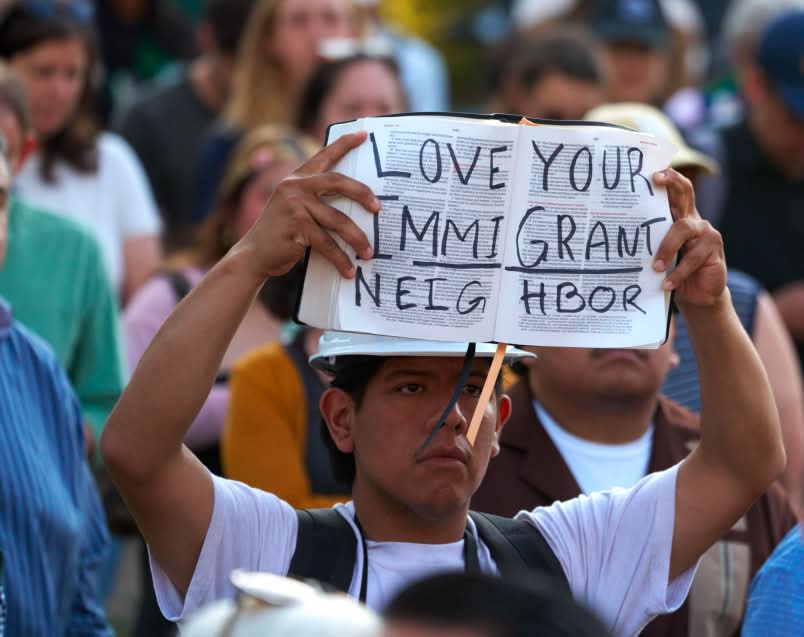 Throughout the Advancing Wellness era, California faced moments that tested communities—and philanthropy—in profound ways.
A rapidly evolving policy landscape, devastating wildfires, the COVID-19 pandemic, and the racial justice uprisings following the murder of George Floyd each exposed deep inequities that had long existed beneath the surface. These moments revealed who was most vulnerable, where systems were falling short, and how quickly years of progress could be threatened.
They also revealed something else: community organizations are often the first to respond.
Whether protecting immigrant families, delivering trusted health information, providing emergency relief, advocating for racial justice, or helping neighborhoods recover, local organizations consistently stepped forward long before larger institutions could mobilize.
The examples below highlight a few of the moments that challenged our assumptions, deepened our partnerships, and reinforced the importance of community leadership during times of crisis.
Responsive Philanthropy
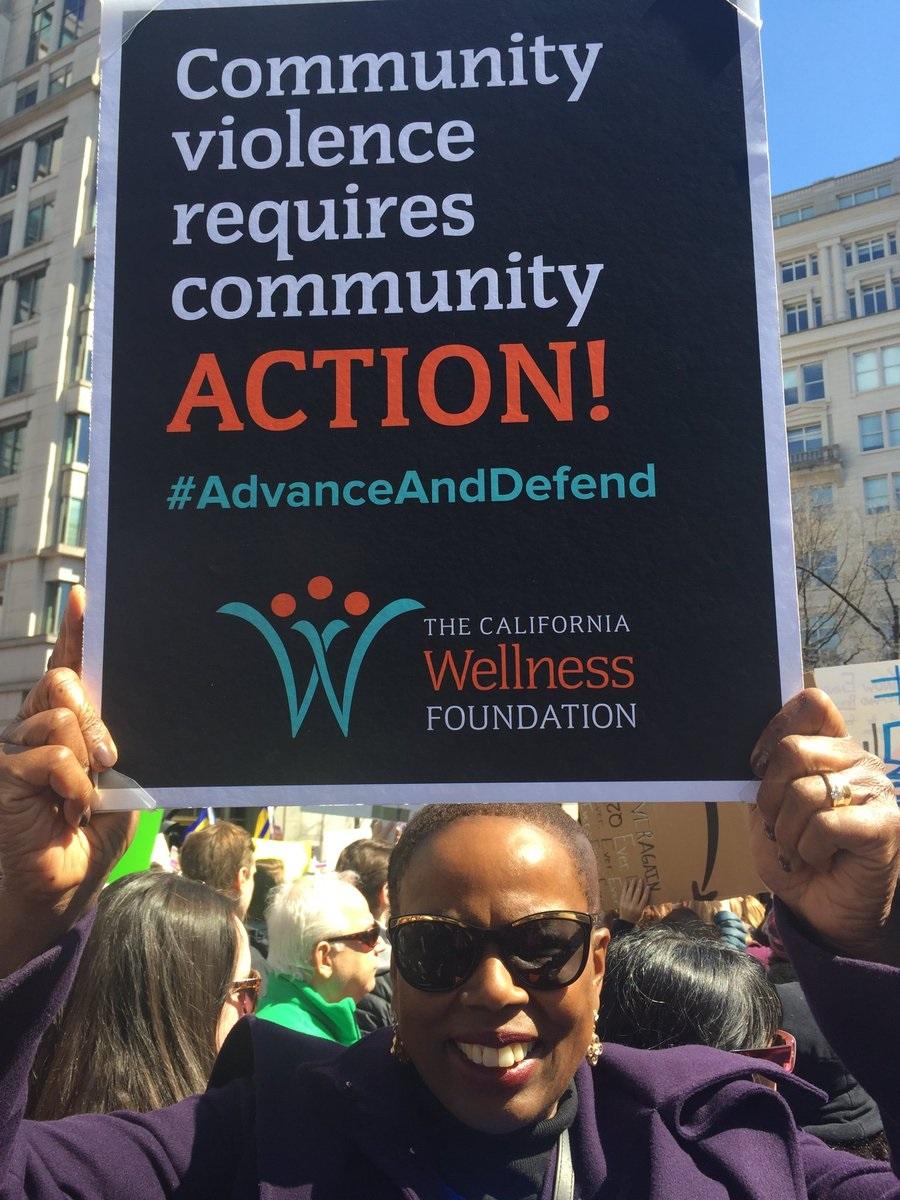
In 2016 a rapidly evolving policy landscape and shifting political rhetoric created immediate uncertainty for many California communities, particularly immigrants, communities of color, LGBTQ+ communities, and others facing heightened threats. In response, Cal Wellness launched Advance & Defend Wellness, committing to use every available resource—from grantmaking and advocacy to public voice and convening—to help communities protect hard-won progress while continuing to advance long-term health and equity. Rather than pausing its strategy, the foundation adapted it to meet the moment, demonstrating that responsiveness and long-term vision could exist side by side.

COVID-19 & Community Resilience
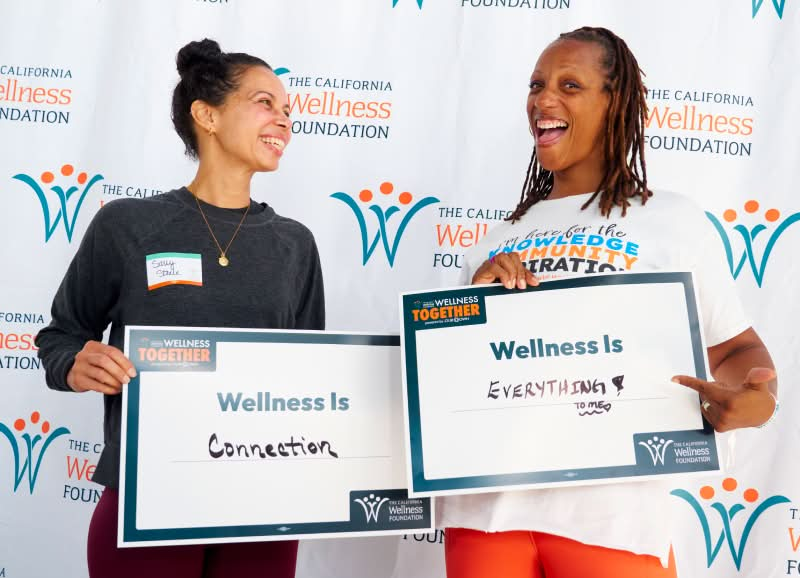 The COVID-19 pandemic exposed inequities that communities had long understood. Access to healthcare, housing, stable employment, trusted information, and economic security often determined who was most affected.
Across California, community organizations quickly adapted—delivering food and supplies, sharing culturally relevant health information, supporting mental health, and helping families navigate an unprecedented crisis. Cal Wellness responded by increasing flexible funding, supporting nonprofit resilience, and partnering with organizations—recognizing that trusted community institutions were essential to California's recovery.
In 2025 Wellness Together was launched, providing nonprofit and community leaders with coaching, wellness tools, guided practices, and opportunities for connection—building on Cal Wellness’ broader efforts to support the well-being and resilience of the people doing the work.
Racial Justice & Collective Action
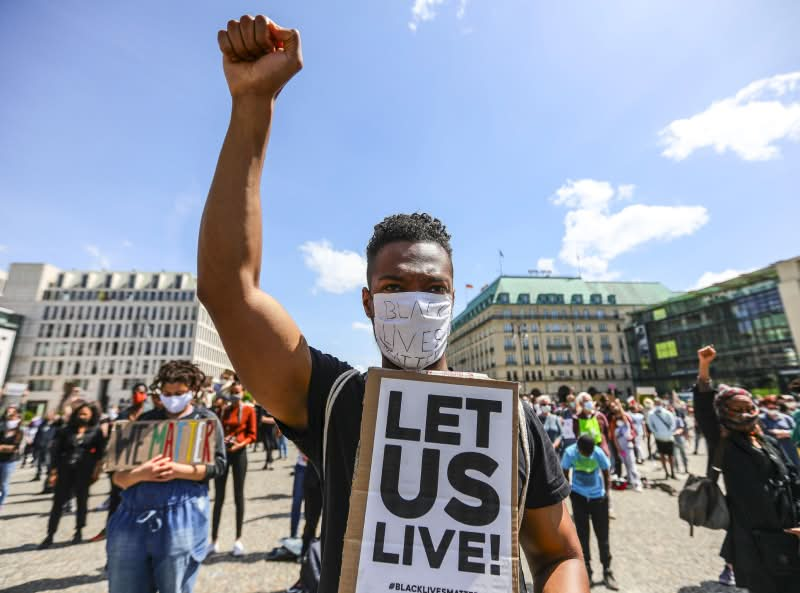 The murder of George Floyd sparked a nationwide reckoning with systemic racism and renewed calls for racial justice. For Cal Wellness, the moment reinforced what many partners had long emphasized: health equity cannot be achieved without confronting racism and the systems that produce unequal outcomes. We deepened our investments in Black-led organizations, racial justice, and community power-building, while bringing a shaper institutional edge to how it used its voice. This included publicly championing reparations for Black Californians, recognizing that the lasting economic, social and health harms of slavery and systemic discrimination, and supporting community-led efforts to develop solution, including UCLA’s Ralph J. Bunche Center’s work to advance reparations framework. This period marked not a new direction, but a bolder and more explicit expression of values and lessons that had been taking shape throughout Advancing Wellness.
Wildfires & Climate Resilience
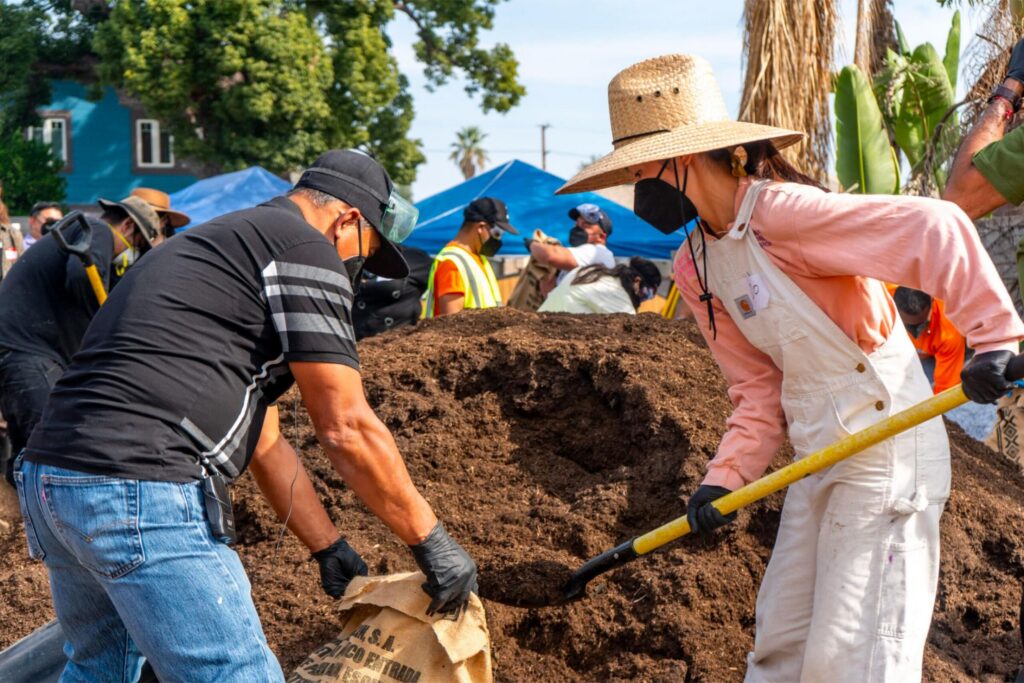
California's increasingly severe wildfires underscored that environmental disasters are also public health emergencies. The devastating 2025 Los Angeles wildfires brought into sharper focus how histories of racism, redlining, and unequal access to resources can leave communities of color and working-class families especially vulnerable to displacement and long-term health and economic hardship.
Through community listening, collaboration with regional funders, and engagement with grassroots organizations, Cal Wellness identified an opportunity to support recovery beyond immediate relief. The foundation committed more than $2 million in grants and $3 million in program-related investments to support community-led recovery, prevent displacement, and help residents rebuild on their own terms. Cal Wellness also helped launch the Los Angeles Wildfire Recovery and Rebuilding Collaborative, bringing together funders and investors to mobilize long-term, affordable capital. These efforts reinforced a critical lesson: equitable disaster recovery requires more than rebuilding what was lost. It means ensuring communities have the resources and power to shape their own futures.
These experiences reinforced the importance of remaining responsive to community realities and recognizing that health is influenced by events far beyond the walls of traditional healthcare institutions.
THE NEXT CHAPTER

The Next Chapter: Building The Power to Be Well
Over the course of Advancing Wellness, one understanding came into sharper focus: lasting wellness depends not only on meeting people’s immediate needs, but on ensuring they have the power to shape the conditions that affect their lives.
Across every issue area, communities demonstrated that meaningful progress happens when people can organize, advocate, lead, influence decisions, and build the collective power needed to create lasting change. Whether improving healthcare, advancing environmental justice, reducing violence, or expanding economic opportunity, the common thread was not a particular program—it was community power.
This understanding deepened how Cal Wellness thought about health. Health is influenced by more than access to care or individual choices. It is shaped by who has access to opportunity, whose voices are heard, how resources are distributed, and who has the power to influence the systems that affect daily life.
When Richard Tate became president and CEO in 2023, Cal Wellness began looking ahead, drawing on the lessons of Advancing Wellness to consider how we could build on this foundation and shape the next chapter of our work. Under his leadership, the foundation has worked to bring greater focus and clarity to what decades of partnership and learning have shown us—and to what this moment calls on us to do.
Building the Power to Be Well makes that understanding explicit: race, money, and power shape who has the opportunity to be healthy and well. By centering these realities and investing in durable, community-led power, the framework builds on the lessons of Advancing Wellness and carries them forward into the next chapter of Cal Wellness.


OUR PRIORITIES
Inclusive Health Care
Centering the leadership of women of color in creating health care rooted in community, culture and lived experience.
Healthier Economies
Investing in approaches that bring economic opportunity, environmental health and community power together.
Thriving Democracy
Building community and narrative power, especially among people of color, to shape a healthier future.